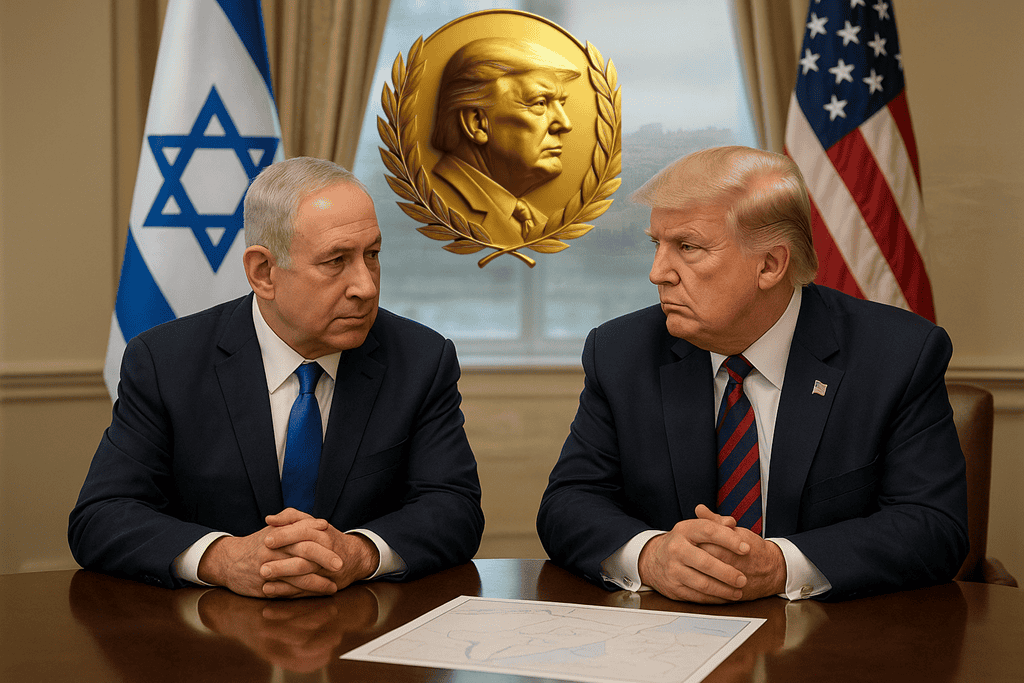
For decades, Israel’s engagement in peace negotiations has often come with unexpected costs. From agreements with Egypt to the Oslo Accords and the latest Gaza developments, U.S. involvement has consistently shaped the outcomes, sometimes to Israel’s strategic disadvantage.
Lessons from the Sinai Withdrawal
In 1979, Israel signed a historic peace agreement with Egypt following Anwar Sadat’s visit to Jerusalem. While Israeli leaders initially believed the negotiations would favor them, U.S. President Jimmy Carter’s determination to secure a deal tipped the balance in favor of the Palestinians. The result was a full Israeli withdrawal from the Sinai Peninsula, including key oil fields, and the evacuation of settlements along the coast. The lesson: U.S. mediation can outweigh even military or political leverage in shaping outcomes.
The Oslo Accords and Miscalculations
Fast forward to 1993, when Israel entered negotiations with the Palestinian Authority. Prime Minister Yitzhak Rabin assumed he could control the pace and outcome, but U.S. President Bill Clinton’s active involvement accelerated the process. The resulting Oslo Accords left Israel exposed to concessions it had not fully anticipated, demonstrating a recurring pattern: even well-intentioned diplomacy can produce costly results when U.S. presidents push for historic agreements.
Netanyahu and Trump: History Echoes
In 2025, Prime Minister Benjamin Netanyahu faced a similar challenge. After initial optimism following a joint press event with President Donald Trump, a sudden U.S. declaration shifted Israel’s position on Gaza. Trump’s statement reduced military pressure on Hamas, separated the initial hostage release from later demands like disarmament, and gave the group room to delay compliance. This move highlights how U.S. mediation can inadvertently strengthen adversaries while limiting Israel’s tactical options.
How Hamas Could Exploit the Deal
Several strategic risks arise from the current U.S.-mediated framework:
- Reduced Military Pressure: Hostage negotiations may proceed without the urgency of Israeli operations.
- Delays in Compliance: The ceasefire and Cairo-based talks provide Hamas with justification to slow progress.
- Influence on Prisoner Releases: Hamas may push for high-profile prisoners, affecting Israel’s leverage.
- Linking Releases to Military Movements: Hostage freedom could be tied to Israeli troop actions.
- Delayed Return of Bodies: Logistical claims could postpone the transfer of deceased individuals.
Short-Term Gains, Long-Term Questions
While the U.S. seeks a tangible success, such as the hostages’ release, Israel’s long-term interests remain uncertain. Even if the deal succeeds, Gaza’s political ideology and Hamas’ ambitions—particularly regarding the “right of return” and future attacks—are unlikely to change. Economic aid and reconstruction may strengthen Hamas’ capacity rather than reduce its objectives, leaving Israel to navigate recurring security risks.
Trump and the Nobel Peace Prize: Ambition Meets Diplomacy
President Donald Trump frequently emphasized his desire for global recognition, with the Nobel Peace Prize emerging as a recurring motivation during his tenure. While critics debated whether his foreign policy achievements, such as facilitating normalization agreements between Israel and several Arab states, merited such an honor, Trump consistently framed these efforts as historic steps toward Middle East peace.
This pursuit of international prestige shaped his approach to negotiations, particularly in the region. By emphasizing bold, unconventional deals, he sought outcomes that could be directly linked to his personal legacy, signaling a new style of American mediation: one focused less on gradual diplomacy and more on headline-making agreements. Regardless of whether the prize ultimately materialized, the Nobel Prize ambition underscored how personal recognition was intertwined with national strategy in Trump’s foreign policy.
Bottom Line
History shows a consistent pattern: U.S.-led mediation often pressures Israel into concessions, producing short-term diplomatic victories but long-term strategic challenges. From Sinai to Oslo to Gaza, Israeli leaders must weigh the allure of peace achievements against the potential costs of yielding to foreign-driven agendas.
Will President Trump allow his ego and transactional nature to override the security interests of Israel?
We are so screwed.
— Steve