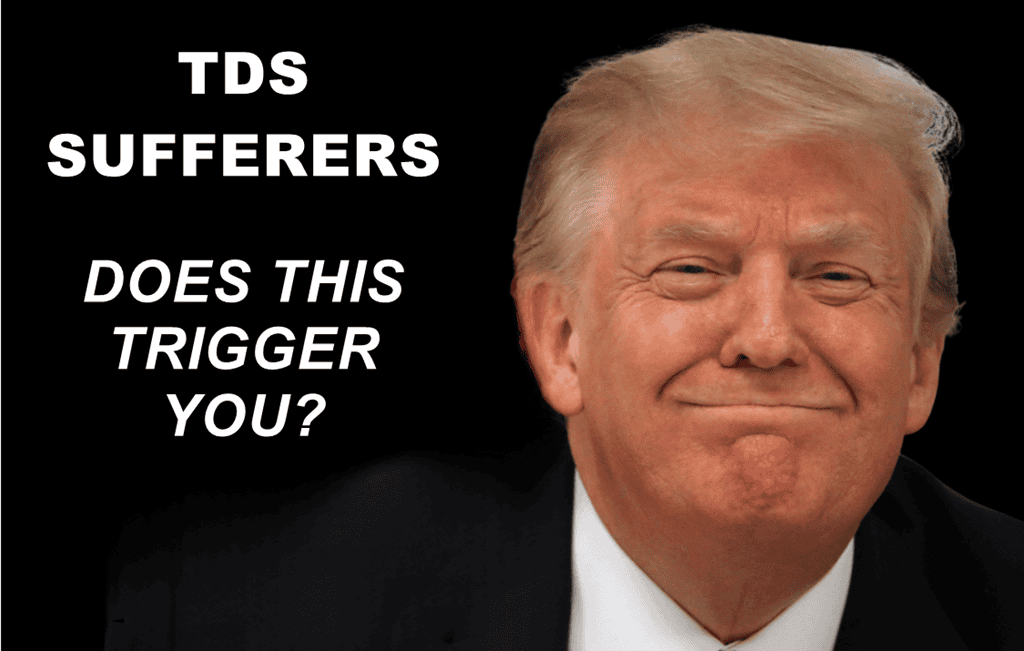
Trump Derangement Syndrome: What’s Going On?
In today’s ultra-polarized world, for some people, just hearing “Trump” sparks instant fury. Doesn’t matter what he does, — good, bad, or in-between — the reaction is the same: “He’s evil. He’s a threat. He must be stopped.”
That’s where the term Trump Derangement Syndrome (TDS) comes in, a shorthand label to describe people who overreact to everything Trump-related.
But is it real? Or just another way to shut people up?
Assigned Opinions Equal Outsourced Thinking
We all want to fit in. However, sometimes that means believing things simply because an authority or peer group expects us to.
- “If you don’t hate Trump, you’re a bad person.”
- “Everyone around me agrees — I must be right.”
- “If I question this, people will turn on me.”
That’s not critical thinking — that’s social survival.
How Assigned Opinions Lead to TDS
Here’s how the cycle works:
- Groupthink starts. You hear the same anti-Trump takes everywhere. You stop questioning.
- Emotions replace facts. Anger and disgust take over. Debate shuts down.
- “Us vs. Them” kicks in. Everyone who disagrees is now “the enemy” — or mentally ill.
- The label “TDS” appears. Suddenly, any criticism of Trump gets dismissed as “crazy.”
- It becomes a loop: tribal loyalty > outrage > no debate > more tribal loyalty.
Why This Hurts Everyone
This isn’t just about Trump. This is about how we talk, think, and treat people.
- We stop listening. Anyone who disagrees is written off as “nuts.”
- We stop thinking. Beliefs become automatic — no reflection, no nuance.
- We escalate conflict. Instead of talking, we label and cancel.
- We pathologize disagreement. When you treat opposition as mental illness, you open the door to censorship and control.
Here’s How to Stay Sane in a Political Minefield
- Question everything — even your own side. If your opinions come with a social price tag, check who’s charging it.
- Get out of the echo chamber. Read what people on the other side are saying. Not everything they believe is insane.
- Focus on issues, not personalities. You can dislike Trump’s style and still agree with some of his policies. That’s okay.
- Feel your feelings — but don’t let them lead. Emotions matter, but facts should guide the conversation.
Bottom Line: Don’t Let Labels Do the Thinking for You
Calling someone “deranged” isn’t an argument; it’s a shortcut.
When we let assigned opinions and emotional reactions dictate our actions, we lose our ability to think freely. And once that’s gone, democracy is on thin ice.
So take a breath. Ask hard questions. And don’t be afraid to stand out from the herd.
Think first. React later. Always.
— Steve