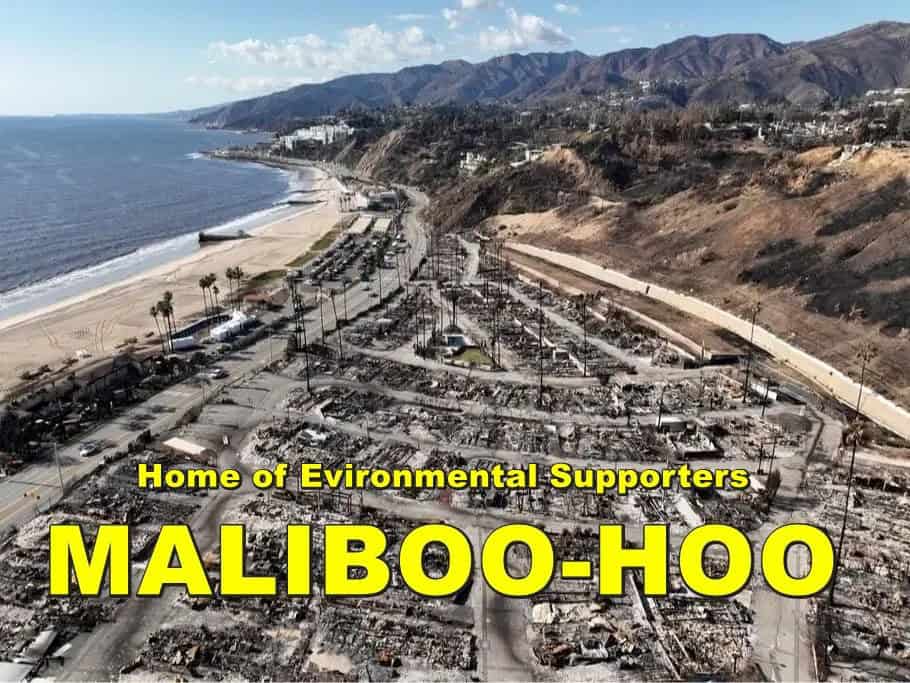
When Ideology Beats Reality
There’s environmental protection, and then there’s environmental extremism. The difference is measured in ashes, body counts, and neighborhoods erased from maps. In recent years, a radical strain of environmentalism has gained real power inside government agencies—one that treats nature as sacred, human activity as a sin, and economic growth as a disease. The result isn’t a healthier planet. It’s a more dangerous one.
This worldview doesn’t just oppose sprawl or pollution. It opposes intervention. It elevates plants over people, theory over evidence, and process over outcomes. And when that ideology collides with fire, floods, or storms, the consequences are catastrophic.
Saving Shrubs While Cities Burn
Wildfires are not acts of God alone. They are shaped by human decisions—especially decisions about fuel management, access, and suppression. When firefighters are told to stand down, avoid heavy equipment, or skip full mop-up operations because rare plants or “sensitive resources” might be disturbed, the environment isn’t being protected. It’s being weaponized.
Fire doesn’t respect policy memos or avoidance maps. A smoldering root system doesn’t care whether an endangered flower is nearby. When agencies prioritize preserving untouched landscapes over fully extinguishing known fire risks—especially near populated areas—they aren’t practicing stewardship. They’re gambling with lives and property.
The No-Growth Mindset Behind The Madness
At the heart of this failure is the no-growth ideology. Radical environmentalists believe development itself is immoral. Roads are scars. Power lines are violence. Firebreaks are vandalism. From that perspective, letting nature “take its course” isn’t negligence—it’s virtue.
But nature’s course, unmanaged, is brutal. Chaparral accumulates fuel. Forests choke with deadwood. Wind turns embers into missiles. The refusal to thin, clear, build, or intervene creates perfect conditions for megafires. Then, when disaster strikes, the same voices blame climate change alone—anything except the policies that made the damage inevitable.
Bureaucracy As An Accelerant
Extremist environmentalism thrives on bureaucracy. Every shovel of dirt requires consultation. Every bulldozer needs clearance. Every action is delayed by paperwork, advisors, and fear of punishment for disturbing the wrong patch of ground.
Firefighters learn the lesson quickly: do too much, and you’re fined or disciplined; do too little, and the blame shifts elsewhere. The rational response becomes caution over action. And in emergencies, caution kills.
When agencies quietly prefer to “let it burn,” they’re not talking about controlled, prescribed fire. They’re outsourcing risk to the public—hoping the wind cooperates, hoping the flames stay polite, hoping disaster waits for a committee meeting.
Environmentalism Without Humans
Real environmentalism understands that people are part of the ecosystem. Radical environmentalism treats humans as intruders. It romanticizes wilderness while ignoring that millions live at the wildland-urban edge. It pretends parks are remote sanctuaries even when they border dense neighborhoods.
Protecting nature by sacrificing communities isn’t moral clarity—it’s moral cowardice. A burned-down city doesn’t help the climate. A dead family doesn’t restore biodiversity. And a policy that values untouched brush over human safety is not enlightened. It’s deranged.
Bottom Line
The greatest threat to the environment today isn’t capitalism, development, or even climate change—it’s radical environmentalism that rejects growth, intervention, and human priority. By placing ideology above life and property, these policies turn manageable risks into mass tragedies. A planet worth saving is one where people can live, build, and thrive safely. Anything else is not conservation. It’s destruction by design.
We are so screwed.
— Steve