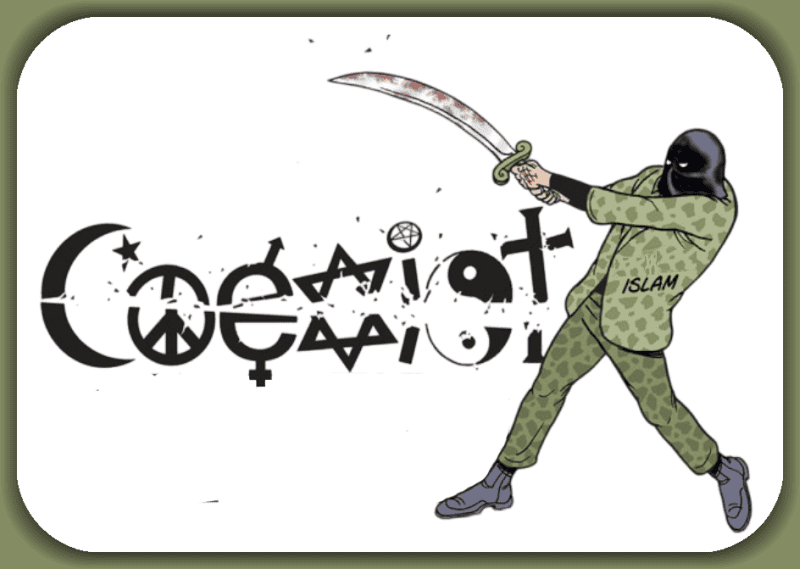
Hamas has proven itself untrustworthy — again and again.
How can anyone seriously argue for a “fair deal” with an organization that builds its strategy on terror, hostage-taking, and the deliberate targeting of civilians? Trust isn’t a commodity you can conjure at a negotiating table; it’s earned. Hamas has repeatedly shown it will violate truces and manipulate peace pauses for tactical gain. To call that negotiating in good faith is to misunderstand the meaning of the word.
Accountability first — not concessions for the sake of calm
If the aim is lasting security and justice, then the first priority must be accountability. That means pursuing lawful avenues to dismantle terrorist infrastructure, arrest and prosecute those responsible for war crimes and hostage-taking, and cut off funding and supply lines that enable atrocities. It’s morally bankrupt to trade justice for a short-term lull that simply allows violence to regenerate.
Sanctions, isolation, and pressure are tools — use them effectively
Diplomacy that rewards bad behavior guarantees more of it. Instead of crafting “deals” that paper over abuse, the international community should tighten targeted sanctions, isolate financiers, enforce arms embargoes, and hold state and non-state enablers to account. Pressure works when it’s consistent and backed by real consequences.
Protect civilians — humanitarian aid must not be a bargaining chip
Make no mistake: strong policy responses must be paired with clear protection for civilians and humanitarian relief for the innocent. Blaming victims or using aid as leverage against innocent civilians is cruel and wrong. Demand safe corridors, impartial aid distribution, and oversight to prevent relief from being diverted to war-making. But, are they really that innocent if they have chosen Hamas to lead them or celebrate its successes on the battlefield?
We need a strategy, not moral relativism
Condemning brutality is not the same as denying the complexity of the region, but labeling terror as negotiable moral equivalence is dangerous. There’s a difference between seeking a political solution and legitimizing the methods of those who commit atrocities to pursue their goals. Policy should focus on degrading violent networks, protecting populations, supporting credible partners for peace, and investing in paths that undercut extremism, not rewarding it.
The only acceptable “deal” is one where terror has no place at the table, accountability is real, and the rights and safety of civilians come first. Anything less is consent to the cruelty.
We are being set up for another clash in the future.
— Steve