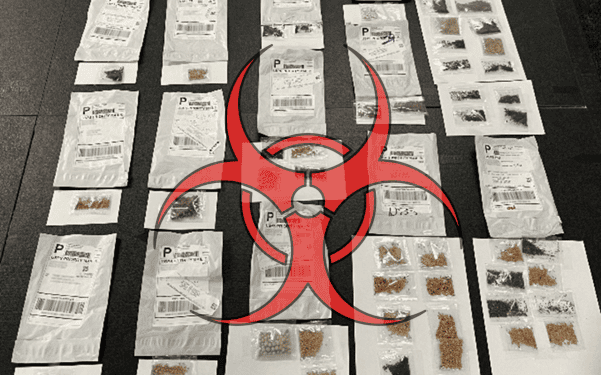
In recent years, an alarming trend has emerged: mysterious seed packets arriving at doorsteps across the world, particularly in the United States, often originating from China. These unsolicited shipments, which have sparked curiosity and concern alike, are far more than unusual mail—they carry potential biohazard risks to local ecosystems, agriculture, and public health. Here’s what you need to know about the dangers of these unknown seed packets.
The Mystery of Unsolicited Seed Shipments
It started innocuously: people began receiving seed packets from unknown senders, often labeled as “jewelry” or “toys” on customs forms. Initially, the seeds seemed harmless, but experts and authorities soon raised alarms. Most of these packages were postmarked from China, yet the precise origin and purpose remain unclear.
While some seeds could be identified, many were unknown species, including invasive plants, fruits, and vegetables. The concern isn’t merely receiving unusual plants—it’s the potential ecological and agricultural risks these seeds could introduce.
Why These Seed Shipments Are Dangerous
1. Invasive Species: One of the greatest threats posed by these unsolicited seeds is the introduction of invasive plant species. Foreign plants can outcompete native flora for sunlight, water, and nutrients, destabilizing local ecosystems. This disruption can harm wildlife, reduce biodiversity, and even affect agriculture by spreading disease or attracting pests that damage crops.
2. Pathogens and Pests: Some mystery seeds may harbor harmful pathogens, viruses, or pests capable of devastating local agriculture and natural plant life. Seedborne diseases can spread rapidly if introduced into an area without proper quarantine measures, posing risks far beyond the initial package.
3. Contamination and Cross-Contamination: Even seemingly harmless seeds may carry bacteria, fungi, or viruses that can infect plants, animals, or, in some cases, humans. Foreign seeds can unintentionally lead to cross-contamination with local plant species, creating ecological and agricultural hazards.
4. Public Health Risks: Certain seeds may contain toxins or allergens dangerous to humans, pets, or livestock. Without knowing their exact nature, there’s no reliable way to determine if handling or ingestion could be harmful.
The Government’s Response
In response to this growing issue, agencies like the U.S. Department of Agriculture (USDA), the Animal and Plant Health Inspection Service (APHIS), and local agricultural authorities have issued warnings. Receiving such packages is considered a biosecurity concern, and officials urge recipients not to plant or discard seeds improperly.
The USDA, in coordination with customs, is working to track and intercept suspicious shipments. Recipients are encouraged to report any unknown seed packets immediately to prevent potential ecological or agricultural consequences.
What To Do If You Receive an Unknown Seed Packet
1. Do Not Open or Plant the Seeds – Handling or planting unknown seeds can have serious environmental consequences.
2. Report It to Authorities – Contact your local agricultural agency or the USDA’s APHIS. They will provide guidance for safe disposal.
3. Dispose of Seeds Safely – Do not throw seeds in your trash or garden. Follow official instructions to prevent accidental spread.
4. Follow Local Regulations – Adhere to your country’s import rules for foreign plant material to protect agriculture, ecosystems, and avoid legal issues.
The Bigger Picture: Biosecurity and International Trade
These mysterious seed shipments underscore a broader concern: biosecurity in an interconnected world. International trade carries risks that extend beyond the items we purchase. Both consumers and governments must take precautions to prevent the introduction of invasive species and protect local environments from unforeseen consequences.
Global awareness is growing, and stricter regulations, border controls, and collaborative biosecurity measures are becoming essential to protect biodiversity and public health.
Bottom Line
While the mystery of unsolicited seed packets may appear isolated, it serves as a stark reminder of how global trade can inadvertently introduce serious ecological and health risks. Vigilance is key: report unknown seeds, follow government guidelines, and handle mail with caution.
With robust biosecurity measures and informed consumers, we can help safeguard our ecosystems, agriculture, and public health from emerging threats.
Stay alert, stay safe, and remember—your mailbox could be hiding more than just a surprise.
We are so screwed.
— Steve