The Copper Network That Saved Us
For seventy years, copper landlines were the silent backbone of American communication. Storms? Power outages? Geopolitical crises? They kept us connected when everything else failed. Yet AT&T is systematically dismantling this lifeline, replacing it with digital and wireless alternatives that are far more fragile. By 2029, most of the U.S. will have no access to the traditional “Plain Old Telephone Service” (POTS), with only California standing in defiance thanks to regulatory intervention.
Why does this matter? Because in a world increasingly dependent on fragile digital infrastructure, eliminating robust, weather-resistant systems strips us of redundancy when disaster strikes. Fiber and wireless may be sleek and efficient—but they collapse under overload, interference, or physical damage. The very technology touted as progress is eroding our ability to survive emergencies.
Batteries Die When We Need Them Most
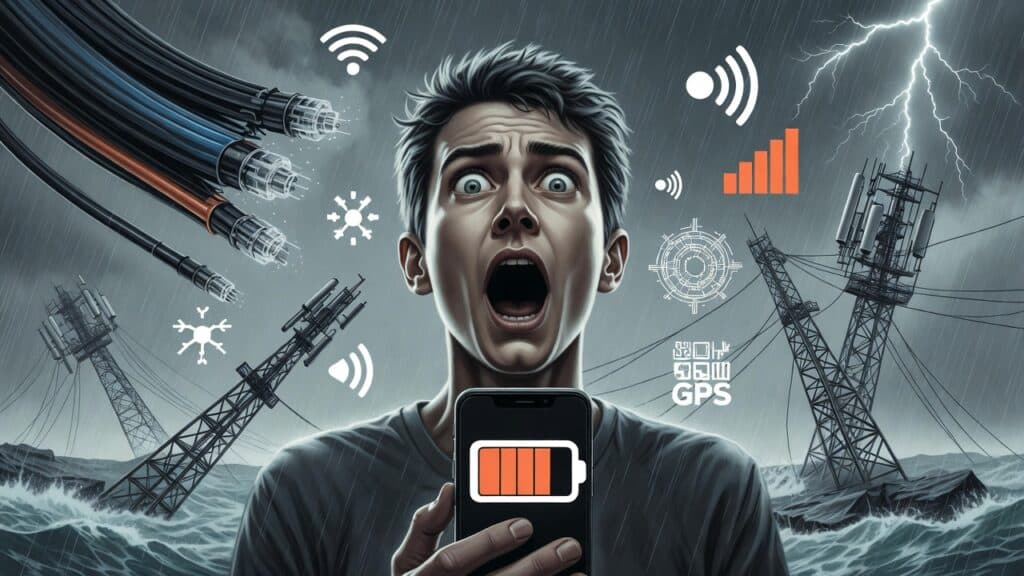
Even the devices we carry in our pockets are betraying us. Smartphones, celebrated as all-in-one survival tools, falter precisely when they’re needed most. Weak signals, damaged cell towers, network congestion, and GPS interference force phones to expend a lot of energy just to stay online.
During a crisis, your battery drains faster—not because you’re browsing TikTok—but because your device is working overtime to maintain a connection. Signal amplifiers roar, radios resync endlessly, and processors churn constantly. The result: dead batteries in the middle of emergencies. A device that could save your life becomes useless when the infrastructure is under strain.
Overreliance On Fragile Systems
Digital networks are elegant in ideal conditions—but ideal conditions are rare. Storms, cyberattacks, or geopolitical conflict can cripple wireless infrastructure in minutes. The AT&T phase-out illustrates a disturbing trend: society is abandoning proven, resilient systems in favor of efficiency and cost savings, ignoring the human toll when networks fail.
When POTS disappears, we lose a communication system immune to overload. Copper lines work even when the power grid fails. Fiber and cellular do not. When millions simultaneously call, text, or upload data, networks falter—and the most vulnerable pay the price. Emergency alerts are delayed, coordination collapses, and panic spreads faster than aid.
The Illusion Of Progress
We have been sold the idea that modern technology makes us safer, smarter, and more connected. In reality, it makes us more brittle. A single attack or natural disaster can cascade through systems we assume are infallible. Dependence on smartphones, cloud servers, GPS, and wireless networks is creating a society where minor failures escalate into catastrophic crises.
Even basic precautions—keeping batteries charged, reducing background syncing, or using power-saving modes—cannot compensate for systemic vulnerability. The underlying networks themselves are unstable, overtaxed, and increasingly incapable of handling stress.
Bottom Line
Technology promised convenience and speed. But convenience without resilience is a disaster waiting to happen. Eliminating copper landlines, overloading wireless networks, and depending entirely on fragile devices have weakened society’s ability to survive crises. When catastrophe strikes, our fancy gadgets and fiber networks may fail us, leaving panic, disconnection, and chaos in their wake. Progress should not come at the cost of resilience—but that is exactly what we are seeing. It’s time to rethink a world where efficiency trumps survival.
We are so screwed.
— Steve