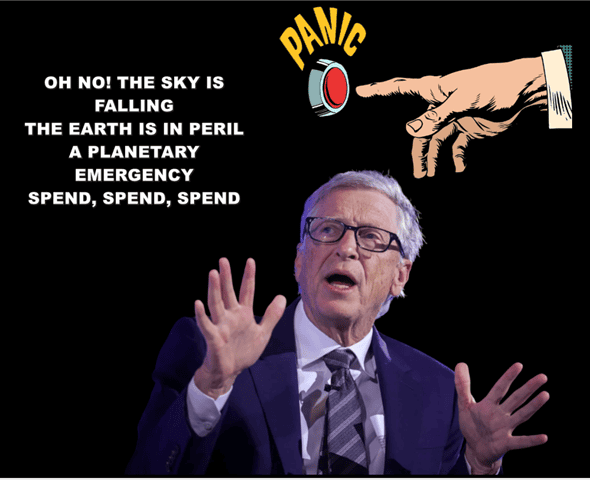
 The Shift Nobody Saw Coming
Bill Gates, long the poster child of elite climate philanthropy, is suddenly preaching moderation. His latest op-ed, “Three tough truths about climate,” reads less like a rallying cry for zero-carbon absolutists and more like a plea for balance. Gone is the apocalyptic tone. In its place: an appeal to put human welfare first, prioritize innovation, and recognize that poverty and disease remain humanity’s biggest enemies.
Is this Gates’s new realism, or convenient timing? As Microsoft battles for trillion-dollar government AI and defense contracts, Gates’s public image matters more than ever. The optics of a tech billionaire acknowledging that “doomsday” climate rhetoric may be misplaced fits neatly into a broader narrative of cautious pragmatism.
A Cynic, Like Myself, Might Ask Why Now?
For years, Gates bankrolled clean-tech startups and lectured the world on reducing emissions at all costs. Now, he’s warning against overreacting. I wonder if this pivot has less to do with newfound humility and more to do with maintaining influence as global priorities shift from climate panic to economic stability and technological competition.
The timing is perfect. Governments are tightening budgets, green fatigue is setting in, and the public is questioning where trillions in “climate transition” funding actually go. Gates’s message —that we should focus on measurable human benefits rather than chase abstract temperature targets —lands neatly in the emerging mainstream.
Bill Gates argues that while climate change is a serious global challenge, it should be addressed alongside poverty and disease, not at their expense. He cautions against the “doomsday” narrative that predicts civilization’s collapse, saying that although warming will have grave consequences—especially for the poor—humanity will adapt and thrive if innovation and smart policy continue.
Gates stresses that the world has made real progress in reducing projected emissions, thanks to breakthroughs in clean energy and technology. But he warns that an excessive focus on short-term emissions targets risks diverting funds from efforts that directly improve human welfare, such as health, nutrition, and agricultural resilience in developing nations.
As global leaders prepare for COP30 in Brazil, Gates urges them to re-center climate strategy around human well-being, not just temperature goals. He calls for:
- Investing in innovation to reduce the Green Premium (the cost gap between clean and dirty energy) to zero.
- Supporting adaptation efforts—especially in agriculture and health—for the world’s poorest people.
- Allocating aid based on impact and data, ensuring that every dollar delivers maximum benefit to those most at risk.
He criticizes the tendency to treat all climate spending as equally valuable, arguing that some interventions do far more to alleviate suffering than others. Gates concludes that to truly address climate change, humanity must accept three core truths:
- Climate change is serious but not apocalyptic.
- We must balance emissions reduction with poverty alleviation.
- The ultimate goal should be maximizing human welfare, guided by evidence and innovation.
Bottom Line
Maybe Gates is evolving. Maybe he’s repositioning. Either way, his shift marks a turning point: even the architects of the climate narrative now recognize that fear alone won’t fix the planet, or protect their empires.
I don’t trust Gates.
We continue to be screwed.
— Steve