When Ideology Beats Innovation, America Loses
Another once-proud American innovator is down, and the fingerprints on the crime scene belong to the radical anti-growth progressive wing of the Democratic Party. After 35 years of building robots that made everyday life easier, iRobot collapsed into bankruptcy—not because the market rejected it, but because Washington strangled it. This wasn’t creative destruction. It was ideological destruction.
The same politicians who never met a regulation they didn’t love decided they knew better than consumers, engineers, and workers. Their message to American business was crystal clear: grow too much, innovate too well, or partner with the “wrong” company, and the state will step in to kneecap you.
Antitrust As A Weapon, Not A Tool
The now-infamous blocked acquisition of iRobot by Amazon wasn’t about protecting competition. It was about punishing success. Progressive lawmakers led by Elizabeth Warren and activists inside the Biden-era regulatory machine framed the deal as a looming dystopia, where Americans would be “spied on” by a vacuum cleaner.
That narrative was hysterical nonsense, but it was effective. The Federal Trade Commission, chaired by radical progressive communist democrat Lina Khan, treated antitrust law like a bludgeon instead of a scalpel. The agency openly celebrated when the deal died, as if killing an American company were some moral victory.
The China Blind Spot No One Wants To Admit
Here’s the part progressives conveniently ignored: iRobot wasn’t competing against mom-and-pop startups. It was losing ground to aggressive, state-backed Chinese manufacturers. While Washington obsessed over hypothetical data collection by an American firm subject to U.S. law, Beijing’s robotics industry quietly ate market share.
China doesn’t just want to sell gadgets; it wants dominance in robotics, AI, and the data ecosystem that comes with them. By blocking American scale and capital, regulators didn’t protect consumers; they cleared the field for China.
Jobs Lost, Innovation Shipped Overseas
Once the deal was killed, reality hit fast. Layoffs followed. Engineering work moved abroad. The company limped along without the capital and ecosystem support it needed to innovate. The human cost—American workers, families, and communities—never factored into the progressive calculus.
Even worse, trade chaos piled on. Tariffs and regulatory uncertainty created a minefield for companies trying to plan manufacturing and pricing. iRobot tried to adapt. Washington kept moving the goalposts.
The Ultimate Irony: Beijing Wins Again
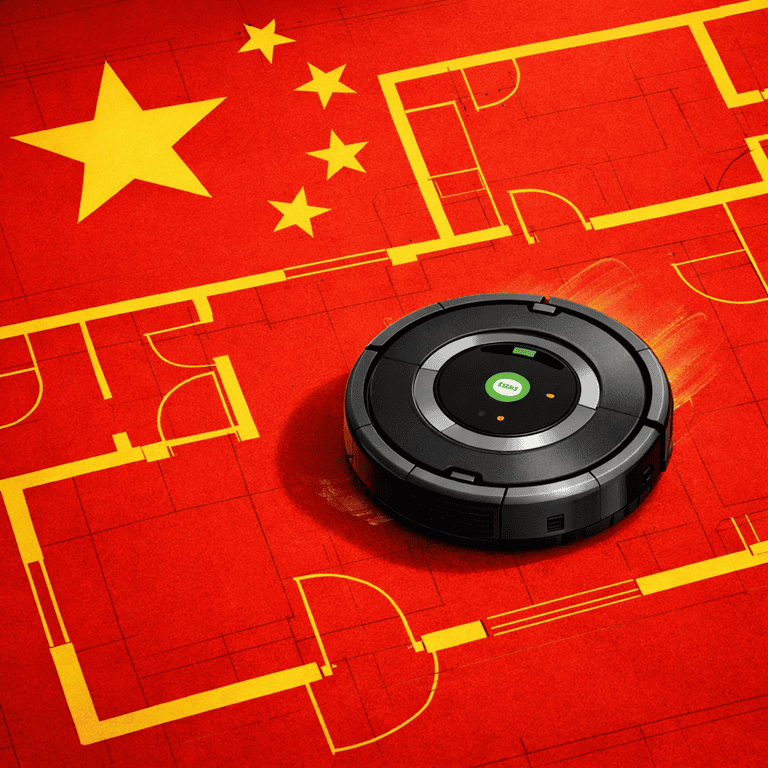
The final insult? The company’s assets are now headed into the hands of its Chinese contract manufacturer, Picea, a firm that also makes competing devices. After all the pearl-clutching about privacy and national security, American regulators effectively handed advanced robotics know-how to a Chinese competitor.
So let’s be clear about the outcome. Progressive antitrust crusaders weakened an American company, destroyed U.S. jobs, accelerated offshoring, and strengthened a foreign rival that answers to Beijing, not voters.
Bottom Line: Who Really Threatens American Security?
Politicians love to rant about robots and AI killing jobs. The real killer is government arrogance. Markets aren’t perfect, but they correct. Ideologues don’t. When regulators decide that size itself is a sin and success must be punished, America stops building, and our enemies don’t.
This wasn’t an accident. It was the predictable result of radical anti-America, anti-growth policies that value control over prosperity. And once again, the Chinese Communist Party is laughing all the way to the factory floor.
We are so screwed.
— Steve