Boycott Politics Over Constitutional Duty
The State of the Union is not a campaign rally — it is a constitutional obligation and a historic moment meant to reflect national seriousness. Yet in 2026, many Democrats treated it like an inconvenience. Instead of attending and engaging in debate, quite a few chose to boycott the address altogether, staging a counter-event on the National Mall designed more for viral clips than for governing.
This wasn’t principled dissent. It was political theater. Lawmakers are elected to sit in that chamber, hear the president’s agenda, and respond through legislation — not megaphones and protest signage. By walking out or staying away, they signaled that partisan performance matters more than institutional respect.
Floor Antics And Manufactured Outrage
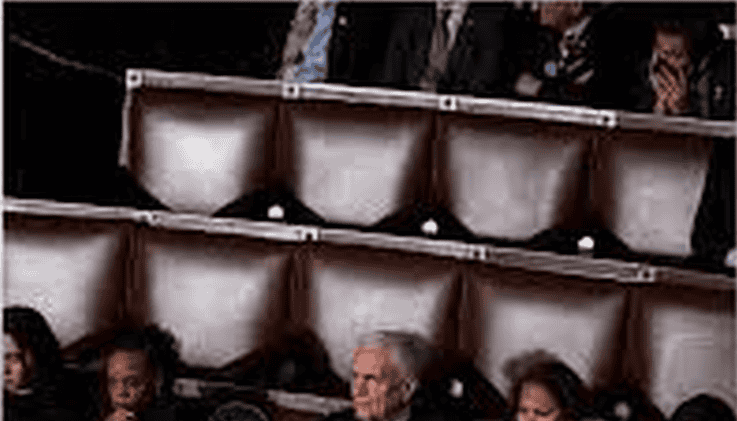
Inside the chamber, decorum deteriorated further. Interruptions, visible displays of protest, and stone-faced refusal to acknowledge broadly supported issues — such as border security or economic growth — conveyed not strength, but resentment. The American people expect spirited disagreement. What they witnessed instead felt closer to a choreographed tantrum.
Even those who remained seated throughout bipartisan applause moments appeared more focused on signaling defiance to activist factions than representing the broader electorate. The State of the Union is not supposed to resemble a cable news shouting match. Yet the atmosphere projected exactly that.
The Mall Protest: Activism Over Accountability
Meanwhile, the so-called “People’s State of the Union” on the National Mall leaned heavily into activist slogans and ideological red meat. Rather than presenting a clear alternative policy roadmap, the event amplified emotionally charged rhetoric about immigration enforcement and federal agencies.
Protest is a protected American right. But elected officials skipping the constitutional forum to join protest lines blurs the distinction between governing and campaigning. Americans struggling with inflation, crime, and border concerns were offered chants instead of solutions.
Progressive Communist Democrats: A Party At Odds With Institutional Norms
Taken together, the boycott, the disruptions, and the counter-protest reinforced a perception that today’s Democratic leadership is more comfortable in resistance mode than in governing mode. Disagreement is healthy in a democracy. Disrespect for longstanding institutions is not.
At a moment meant to showcase national direction and serious debate, Democrats chose spectacle over statesmanship — and the contrast was impossible to ignore.
We are being screwed by the Democrats.
— Steve