A Coalition Built On Grievance, Not Greatness
Everywhere I look, I see the same tired playbook. Slice the country into fragments. Label everyone by race, income, gender, national origin, sexuality—anything that can be weaponized. Then stitch those fragments together into a political coalition built not on shared aspiration, but shared resentment.
This is not leadership. It’s marketing. And it’s corrosive.
For years, progressive Democrats have leaned heavily into identity politics, framing every debate through the lens of oppression hierarchies and grievance narratives. Instead of asking what policies grow prosperity for all Americans, they ask which demographic box you check. Instead of elevating individual agency, they elevate group victimhood. The result? A nation nudged into camps, suspicious of one another, competing for political validation rather than economic opportunity.
It’s divide and conquer, repackaged as compassion.
When Everything Becomes Identity, Nothing Is American
The obsession with identity has crept far beyond academia and cable news panels. It’s everywhere—corporate boardrooms, HR departments, Hollywood scripts, and yes, even the tech world.
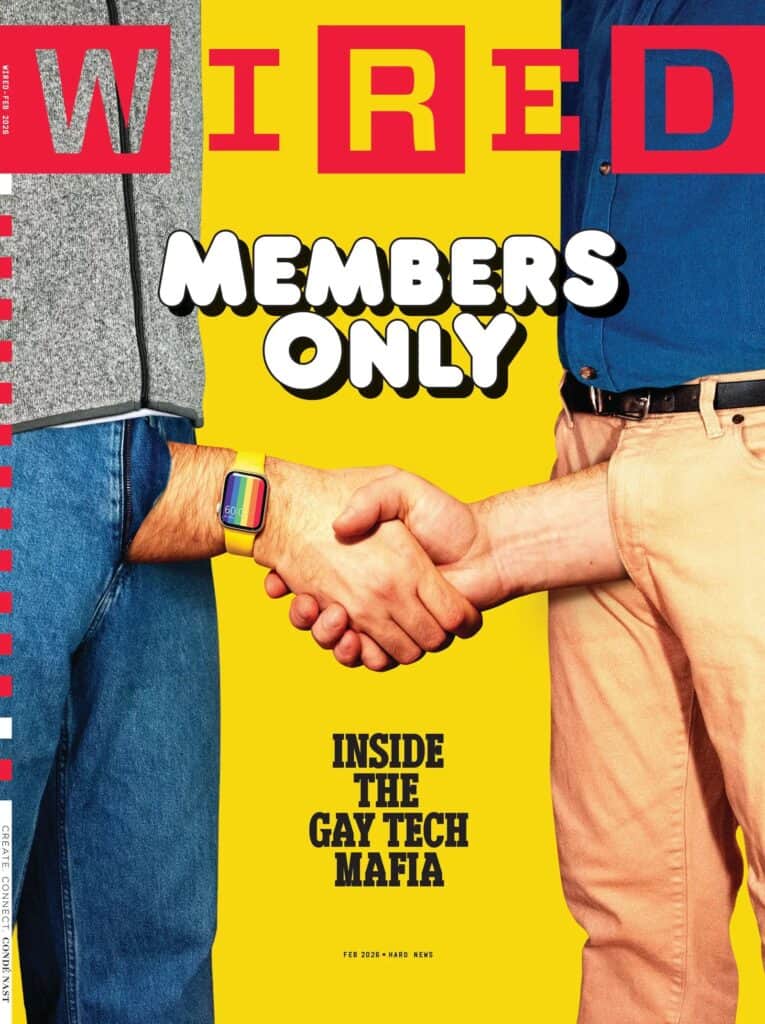
I recently saw a glossy, self-congratulatory cover story celebrating gay technologists and Silicon Valley insiders as if their sexual orientation were the defining feature of their professional contributions. Since when did coding skills, innovation, and entrepreneurship take a back seat to identity checklists?
The tech sector used to be about merit, disruption, and results. Now too often it’s about optics, curated narratives, and performative inclusion campaigns designed to signal virtue to investors and activists alike.
This is not a rejection of anyone’s dignity. It’s a rejection of the idea that identity should overshadow accomplishment.
The Point Is Performance, Not Personal Life
Take Scott Bessent, who has served as Treasury Secretary in the Trump administration. Until recently, I didn’t know—or frankly care—that he was gay. Why? Because it’s irrelevant to whether he can manage fiscal policy, navigate global markets, or stabilize economic uncertainty. Likewise, I don’t care how many of the Silicon Valley techies are gay. Yet, we find a progressive tech magazine Wired, a culturally progressive tech mag, going on and on about gays.
What matters is competence. Judgment. Results.
When media narratives fixate on identity markers, they subtly imply that those markers are central to evaluating a person’s public service. That’s the trap. It shifts focus from performance to personal life, from policy to symbolism.
We should not care who someone loves. We should care whether they can do the job.
Reducing public servants to demographic trophies cheapens their achievements and diminishes the very equality activists claim to champion.
The Real Divide Is Opportunity, Not Identity
America’s deepest challenges aren’t about immutable traits. They’re about opportunity, inflation, debt, border security, and economic mobility. Working families are worried about grocery bills, mortgage rates, and whether their kids will inherit a stronger country.
Yet instead of building unity around shared economic growth, progressive strategists often frame every policy fight as a moral crusade between identity blocs. Wealth against race. Gender against tradition. Urban against rural. Native-born against immigrant.
This narrative keeps voters locked in emotional battles while real structural reforms stall.
We are more than our labels. We are citizens of the same republic.
Time To Rally Under One Flag
It’s time to rediscover a simple idea: E pluribus unum—out of many, one.
Unity does not mean uniformity. It means a shared civic identity that transcends personal characteristics. It means arguing over policy without questioning one another’s legitimacy as Americans. It means celebrating success without filtering it through demographic lenses.
We do not need a coalition of the disappointed and discouraged. We need a coalition of the determined.
We need leaders who speak to Americans as Americans, not as fragments in a demographic spreadsheet. We need media that highlights achievement over identity. And we need voters who refuse to be sorted, segmented, and emotionally manipulated.
The American flag represents a common inheritance and a common destiny. That’s bigger than party. Bigger than ideology. Bigger than identity.
Bottom Line
Identity politics may energize short-term coalitions, but it weakens long-term national cohesion. When we prioritize labels over liberty and grievance over growth, we all lose. It’s time to reject division, demand merit, and unite under one flag—because America works best when we see each other as citizens first.
We are so screwed.
— Steve