A City On Fire, And The Silence Is Deafening
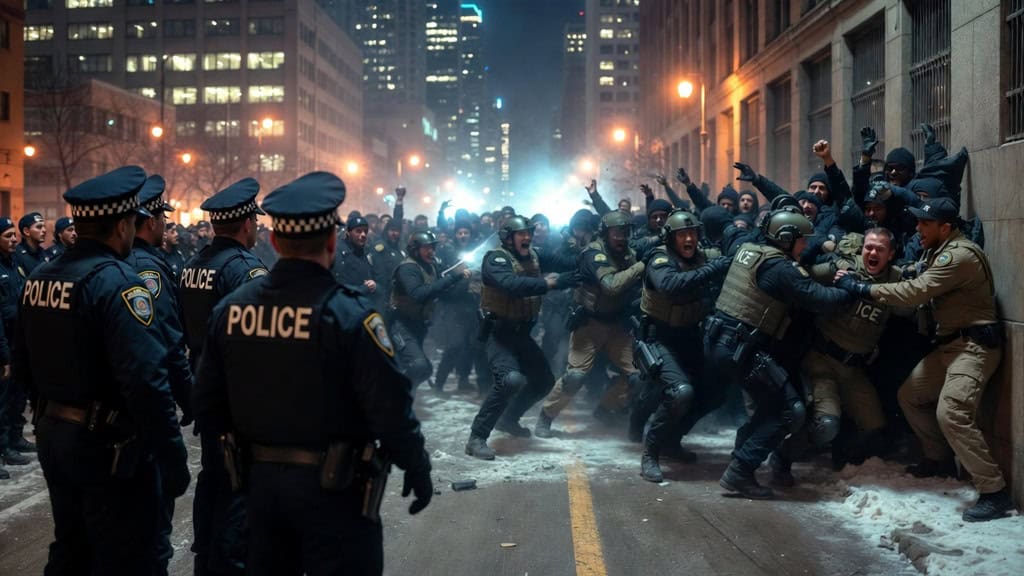
Windows smashed. Lobby wrecked. Federal agents are bleeding in a downtown hotel while a mob screams slogans and bangs trash cans like war drums. And the question floating in the air isn’t subtle: Where is the local PD?
Minneapolis watched chaos unfold, and the city’s police response looked hesitant, distant, almost allergic to engagement. That vacuum didn’t happen by accident. It was engineered—brick by brick, headline by headline—after the city and the country decided to make an example of Derek Chauvin.
The Chauvin Precedent: When Cops Learned The Lesson
Let’s stop pretending this is complicated. Chauvin’s conviction didn’t just punish one officer; it sent a message to every cop in America: You’re on your own.
Forget nuance. Forget context. Forget split-second decisions in ugly, unpredictable situations. The lesson was clear—if a confrontation turns deadly, the system will sacrifice you to appease the mob, the media cycle, and political pressure. Minneapolis cops absorbed that lesson deeply, personally, and permanently.
So when riots flare, when federal agents and protesters collide, when everything smells like a career-ending disaster, local officers hesitate. Not because they don’t care—but because they’ve learned caring can cost you everything.
When Federal Agents Bleed And Nobody’s In Charge
At a Minneapolis hotel believed to be housing federal immigration agents, protesters didn’t just chant. They vandalized, threatened, and injured. Graffiti screamed rage. Barricades went up. Chemical irritants flew. And somewhere in the middle of that mess stood a federal officer bleeding, asking out loud why local police weren’t there.
State patrol showed up, then withdrew. Federal agents acted without coordination. Local police appeared minimal and cautious. That’s not strategy—that’s institutional paralysis. Everyone’s scared of being the next viral villain, the next prosecution, the next name dragged through courtrooms and timelines.
The Unspoken Rule: Let Someone Else Handle It
Minneapolis has perfected a dangerous new doctrine: Delay, deflect, and disengage.
Let the feds handle it. Let the state handle it. Let anyone else take the risk. Because in Minneapolis, proactive policing doesn’t earn gratitude—it earns investigations, firings, and prison sentences. When officers pull back, it’s not cowardice. It’s self-preservation in a city that’s made clear it despises them until it desperately needs them.
Protest, Riot, Or Something Worse: Insurrection?
None of this excuses violence. Protests over police shootings are emotionally charged and often justified. But smashing buildings, threatening lives, and terrorizing neighborhoods isn’t protest—it’s anarchy with branding. When authorities refuse to draw lines, the loudest and angriest people set the rules.
And here’s the bitter irony: the communities that demanded less policing are now left with less protection. Businesses get destroyed. Innocent people get hurt. Federal agents bleed in hotel lobbies. And everyone pretends to be shocked.
Bottom Line
Minneapolis didn’t lose control overnight. It trained itself into impotence. By turning Derek Chauvin into a symbol rather than a case, the city taught its police force that engagement equals exposure, and hesitation equals survival.
So when chaos erupts, and the cops hang back, ask the uncomfortable question honestly: after what happened to Chauvin, why would they rush in?
We are so screwed.
— Steve