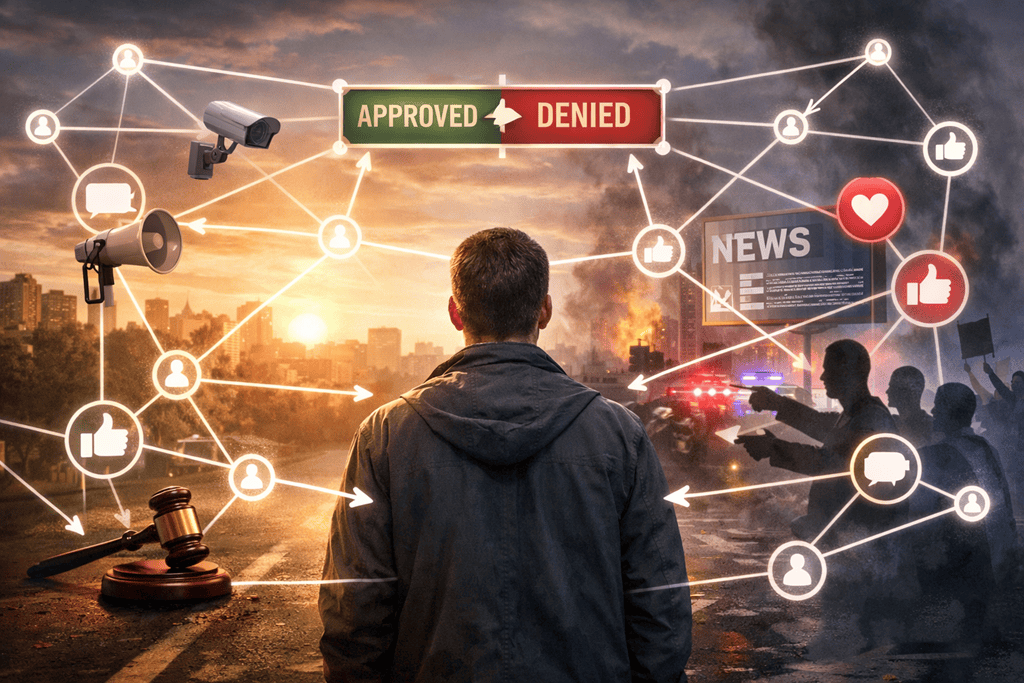
Everybody seems to be quoting or hiding behind “permission structures” today. So what are permission structures and how do they work?
What Are Permission Structures?
Permission structures are the invisible systems that govern what people feel allowed—or forbidden—to do in society. They dictate behavior by signaling what is acceptable, what requires approval, and what is punished or forgiven. While these structures often operate quietly, they profoundly influence personal choices, organizational policies, and even public debates.
This isn’t about formal laws or regulations alone. Permission structures are social and cultural frameworks, reinforced by authority, peer expectations, and media narratives. They decide whether an action is seen as heroic, ordinary, or taboo.
How Permission Structures Take Hold
These frameworks rarely appear overnight. They emerge gradually as communities, organizations, and societies navigate challenges. Over time, systems of permission and forgiveness develop around issues that were once straightforward or common sense. Actions once considered uncontroversial—like helping a neighbor, disciplining children, or addressing minor workplace problems—become scrutinized, debated, or even stigmatized.
Media amplification accelerates this process. Highlighting extreme cases, framing debates in moral or political terms, and creating viral outrage can make previously uncontroversial norms seem radical. This influence alters perception and shapes what people feel they are “allowed” to do without backlash.
When Permission Clashes With Reality
The tension escalates when permission structures conflict with structural problems nobody wants to confront. For example, a community might uphold norms of strict tolerance while ignoring systemic issues such as crime, poverty, or bureaucratic failures. Individuals who attempt pragmatic solutions may find themselves caught between social expectations and practical necessity.
The result? Enforcement of norms can feel radical, even when the actions themselves are reasonable. People experience moral confusion because the rules of behavior now operate in a layered system of approval, exceptions, and media scrutiny, rather than in clear-cut common sense.
Reconciling Compassion With Breaking Norms
Permission structures also intersect with morality and compassion. Sometimes, following the rules can feel cruel, while breaking them may feel necessary. For instance, bending bureaucratic rules to help someone in need may technically violate a law or policy, yet morally it aligns with the principle of human care.
This balancing act is why permission structures are both stabilizing and restrictive. They provide social guidance but can also stifle innovation, creativity, or moral courage. Individuals must navigate the gray area between compassion and compliance, deciding when breaking norms is justified and when it risks social or legal backlash.
The Role of Media and Public Perception
Media doesn’t just report permission structures—it actively shapes them. Coverage that frames certain actions as scandalous, irresponsible, or heroic informs public perception and subtly rewrites social rules. Over time, this feedback loop reinforces which behaviors gain tacit approval and which are condemned.
Social media accelerates this effect, making small actions public and subject to scrutiny by millions. What was once private behavior is now a potential viral flashpoint, further entrenching the power of permission structures.
Bottom Line
Permission structures are invisible yet powerful frameworks that dictate what society permits, punishes, or forgives. They evolve gradually, often in response to unresolved structural problems, and are amplified by media and public perception. When they clash with practical solutions or moral imperatives, enforcing norms can feel radical, creating widespread confusion and debate. Understanding how these structures operate empowers individuals to navigate complex social landscapes, balancing compassion, common sense, and lawful behavior.
We are so screwed.
— Steve