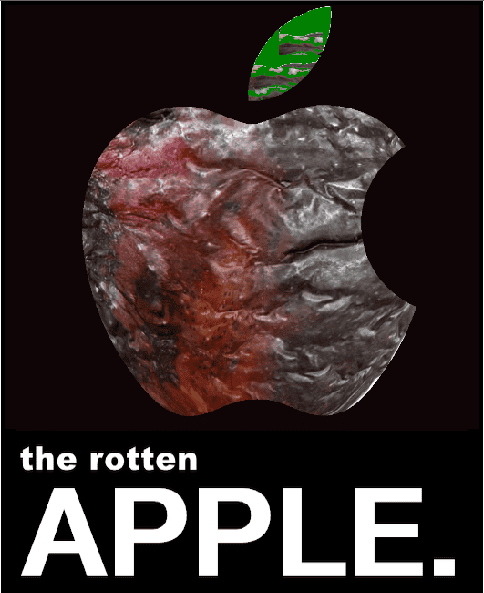
 The Annual Ritual of Needless Reinvention
Once again, Apple has decided it’s time to yank the rug out from under millions of users, not because something was broken, not because customers were demanding a fix, and certainly not because of any looming security disaster. No, Apple has tinkered with the look, feel, and basic operation of its operating system simply to show something has changed. Progress theater. Cosmetic disruption dressed up as innovation.
It’s the same tired story: a team of fresh-out-of-college UI “visionaries” gets a wild hair and decides your established workflow, your muscle memory, and your hard-earned productivity are expendable. After all, how else can they justify their existence except by shuffling menus, tweaking icons, and gamifying what used to be a tool for work, not a digital toy for bored designers?
Functionality? Stability? Familiarity? According to Apple, those are relics of a bygone era.
When “Different” Becomes a Problem
Here’s the maddening part: most users didn’t ask for this. Nobody was pounding their desk demanding a redesigned settings panel or a rearranged toolbar. Nobody was complaining that the operating system looked too clean or behaved too logically. The thing worked. People liked it. Professionals relied on it.
But Apple seems convinced that visible change, even pointless, workflow-breaking change, is synonymous with forward motion. It’s not. At some point, “different” becomes “obnoxious,” and “new” becomes “you just cost me an hour of productivity because I had to hunt down basic functions that used to be exactly where they belonged.”
It’s a pattern that has gone from irritating to insulting. Apple is no longer iterating; they’re meddling. And we’re the ones paying for it with every update that leaves us relearning what we already knew.
Innovation Should Enhance Productivity, Not Erode It
Let’s be clear: nobody has a problem with meaningful innovation. Real improvements, real stability enhancements, and real features that solve actual problems are always welcome. Apple can do brilliant work when it focuses on the fundamentals, speed, reliability, integration, and usability.
But pushing flashy UI experiments at the expense of efficiency? That’s not innovation, that’s disruption for disruption’s sake. It’s a sugar rush masquerading as progress. It might look good on a keynote PowerPoint slide, but it slows down real human beings who need to get things done.
Software should empower workflow, not vandalize it. It should evolve with intention, not mutate on a whim.
Bottom Line: Stop Fixing What Isn’t Broken
Apple’s obsession with reinventing the interface every cycle isn’t a sign of genius; it’s a sign of corporate insecurity. When a company runs out of real improvements, it starts rearranging furniture and calling it architecture.
And the worst part? They know millions of users will tolerate it, adapt to it, and eventually forget that the older system was cleaner, faster, and more intuitive. That’s the trap. That’s the game.
But some of us remember. Some of us are tired of watching Apple polish away usability in pursuit of visual novelty. Some of us just want our tools to stay predictable, stable, and efficient, not redesigned every year because the design team has to justify its paycheck.
Enough with the aesthetic experiments. Enough with the UI roulette wheel. If Apple wants to prove progress, it should focus on power, reliability, and productivity, not rearranging menus like a teenager redecorating their bedroom.
We are so screwed.
— Steve