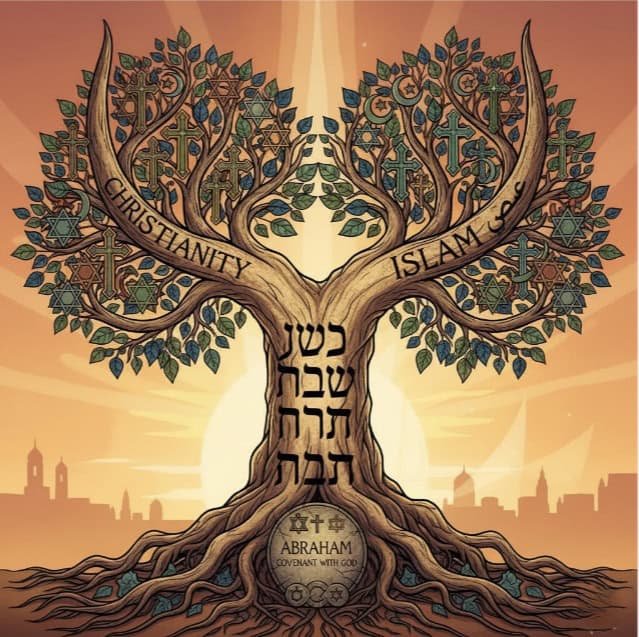
When Faith and Politics Collide
How do you reconcile a faith that purportedly worships Jesus with hatred toward the very people who gave birth to him?
It’s a question many Christians who criticize Zionism rarely ask themselves. Without Jews, there would be no Christianity—no scriptures, no prophets, no historical Jesus. Yet, in the name of politics or theology, some Christians attack Zionism while claiming moral or religious high ground. Can these two positions coexist without contradiction?
The Jewish Roots of Redemption
Christianity’s foundation rests on a single, undeniable fact: Jesus was Jewish. All of his teachings, all of the promises of redemption, all of the lineage that Christianity reveres, flow from Jewish heritage. If the Jewish people are attacked, marginalized, or delegitimized, how can a Christian genuinely claim to honor Jesus’ life and mission? Is it possible to separate anti-Zionism from anti-Jewish sentiment, or are the lines far blurrier than most admit?
Zionism and the Right of Self-Determination
Zionism, at its core, is the advocacy for the Jewish people to have self-determination in their historical homeland, the land that is now Israel.
Is it fair to argue that supporting Jewish self-rule conflicts with Christian ethics, or does denying that right contradict the very foundation of Christian belief? Without a homeland where Jews can govern themselves and preserve their heritage, what message does it send to Christians claiming solidarity with Jesus’ teachings?
Hypocrisy in the Pulpit?
Many Christian leaders speak of love, redemption, and moral justice. But when criticism of Israel turns into attacks on Jewish identity or historical legitimacy, is it genuine moral concern—or thinly veiled anti-Semitism? Can Christians separate opposition to a government’s policies from opposition to an entire people, or is the distinction largely theoretical? How many Christians stop to ask if their rhetoric about Zionism would pass muster if applied to Jesus’ own people?
The Question of Ethical Consistency
Without Jews, there is no Jesus. Without Jews, there is no redemption narrative. Ethnically, Jews are the closest living relatives of Jesus. How can Christians claim to honor him while rejecting the people through whom his story comes alive? If faith is meant to be consistent, then hating or delegitimizing Jews while venerating Jesus presents a serious moral contradiction. Is it a disconnect of theology, ignorance of history, or selective empathy?
Can Love for Jesus Survive Hatred for Jews?
Here’s the ultimate question: can one truly claim to love Jesus while hating or undermining Jewish people? Or does such “love” become a hollow performance, disconnected from the roots of faith? Perhaps Christians must wrestle with the uncomfortable truth that denying Jewish rights or criticizing their very existence undermines the foundations of their own religion. Is reconciliation possible, or does this paradox demand a rethinking of theology itself?
Bottom Line: Facing the Hard Truths
Instead of avoiding these questions, Christians who speak against Zionism need to confront them honestly. How can we argue for ethical consistency without acknowledging the central role of Jews in the story of redemption? How can political opinions avoid sliding into religious hypocrisy? The answers may not be simple—but the questions must be asked.
We are so screwed.
— Steve