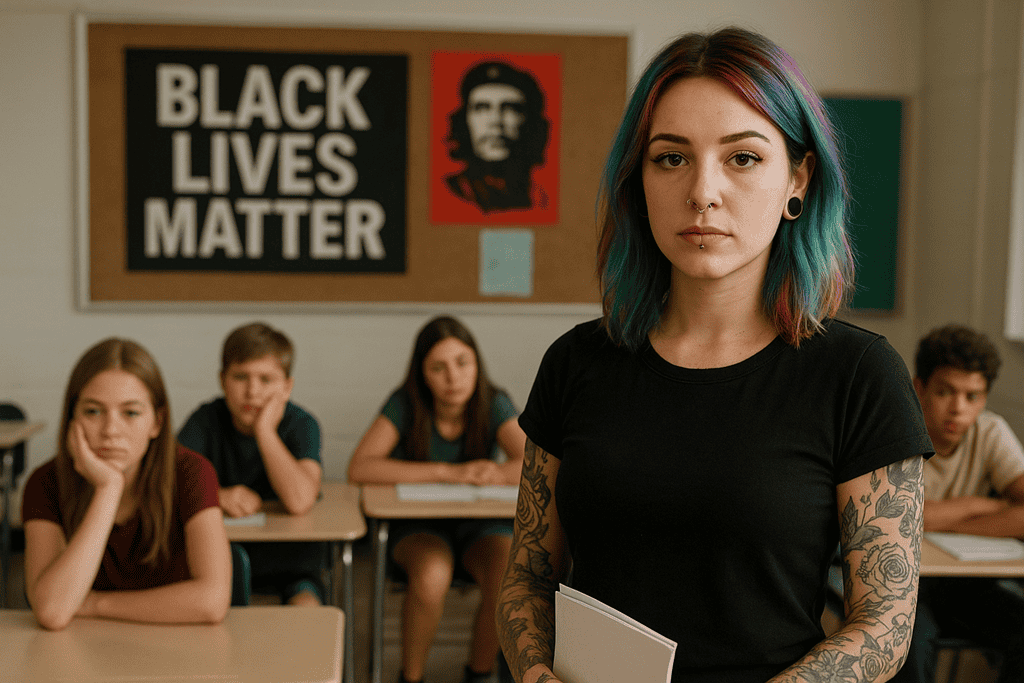
Education is the foundation of a functioning society. Yet, for too long, K–12 schools in many areas have struggled to produce students who are truly prepared for the demands of adulthood—students who can read, write, perform basic math, think critically, and understand history, social studies, and civics. To achieve meaningful reform, we must focus on three critical steps.
Step 1: Remove Undue Political Influence and Corrupt Union Control
Education reform cannot succeed while teachers’ unions prioritize politics, ideology, or self-interest over student learning. While unions can play a role in protecting legitimate teacher rights, their undue influence often prevents schools from enforcing accountability, maintaining high standards, and ensuring students actually learn. Removing corrupt or obstructive union influence is the first essential step toward meaningful K–12 education reform.
Step 2: Hire Qualified Teachers Who Prioritize Learning
The second, equally critical step is ensuring that teachers are qualified, competent, and focused on the core mission of education. Schools need educators who:
- Have demonstrated mastery of their subject matter, whether in math, science, language arts, or social studies.
- Prioritize teaching functional skills and critical thinking over ideological activism or partisan agendas.
- Maintain order and discipline in the classroom, with administrators enforcing a zero-tolerance policy for disruptive behavior.
- Collaborate with parents to ensure accountability and consistent expectations both at home and at school.
Classroom instruction must come first, and every teacher should be evaluated based on student outcomes, not popularity, activism, or tenure.
Critical Components of K–12 Curriculum
- History = what happened in the past
- Social Studies = how societies work and interact
- Civics = how citizens and governments function today
- Math = understanding numbers, patterns, problem-solving, and quantitative reasoning
- Reading / Literacy = comprehension, analysis, interpretation, and effective communication
- Language / Writing = grammar, composition, vocabulary, and expression
- Life Skills = financial literacy, critical thinking, personal responsibility, health, and practical decision-making
- Physical Education = developing fitness, coordination, teamwork, healthy habits, and overall well-being
Step 3: Eliminate Distracting Teachers and Enforce a Professional Dress Code
Real K–12 education reform starts with teachers who take their jobs seriously. Schools must remove educators who are more focused on personal agendas, partisan activism, or distractions than on teaching students the skills they actually need. Classroom performance—not ideology or popularity—should be the benchmark for employment.
To reinforce professionalism and authority, schools should implement a clear professional dress code. Teachers’ appearance matters: clothing or personal style that disrupts learning or undermines respect for authority should not be tolerated. Professional dress signals that education is serious business and that teachers are role models who value their students’ time and attention.
High standards for teacher qualifications, behavior, and appearance ensure classrooms are focused on learning, discipline, and measurable student outcomes. When teachers maintain professionalism and prioritize instruction, students benefit, parents trust the system, and schools prioritize education over spectacle.
Strong Administration and Parent Involvement
Qualified teachers cannot succeed in isolation. Strong administrators are essential to enforce discipline, support educators, and maintain high academic standards. Parents must also be active participants, ensuring students are held accountable for behavior and performance. Schools function best when there is a consistent, transparent system that rewards effort and learning while swiftly addressing misconduct.
Accommodating Students from Challenging Home Environments
Schools cannot control what happens at home, but they can ensure every student has a chance to succeed, regardless of their parents’ involvement or attitudes toward education. Some students come from households where parents are absent, abusive, permissive, or unfamiliar with the school system. Others may face language barriers or cultural differences that make parental support inconsistent.
To address this, schools must implement explicit, structured provisions:
- Language and translation services for families who do not speak English, ensuring parents can engage with the school and their child’s progress.
- Parent education programs that set expectations for involvement, discipline, and support for learning at home.
- Professional intervention for students in unsafe or neglectful environments, including counseling, mentoring, and partnerships with social services.
- Separation of core instruction and support services, so teachers can focus on teaching reading, math, critical thinking, and civics while specialized staff handle additional student needs.
By confronting these realities head-on, schools send a clear message: student learning comes first. When support is organized, consistent, and professional, even students from challenging backgrounds can succeed academically, socially, and emotionally.
Streamlining Support Services
Support programs—such as language accommodations, remedial learning, feeding programs, medical care, and extracurricular activities—are vital for student well-being. However, these services should be structured separately from core classroom instruction. By creating a clear separation, teachers can focus exclusively on literacy, numeracy, critical thinking, and civic knowledge, while support staff manage additional student needs.
Bottom Line: Putting Students First in Education Reform
K–12 education reform is ultimately about one thing: student success. By removing union overreach, hiring qualified teachers, enforcing strong classroom discipline, involving parents, and streamlining support functions, schools can finally prioritize student outcomes over politics, ideology, or bureaucracy. Real reform starts in the classroom, with qualified teachers dedicated to producing students who can read, write, calculate, think critically, and navigate the world as informed citizens.
I liked and respected my teachers, some more than others. My junior high offered academic tracks with electives in drafting (Mr. Cavanaugh), metal shop (Mr. Barber), wood shop (Mr. Silvera), electric shop and stage crew (Mr. Paden), and printing (Mr. Kelsey). My high school was strictly academic with no manual arts electives. I feel sorry for today’s students, who may never experience
We are so screwed.
— Steve